
MUL: Woven Like Air
There are fabrics that clothe the body, and then there are fabrics that remember the body.
Mul belongs to the latter.
 Macro shot of mul fabric, West Bengal.
Before the rise of industrial yarns and calibrated counts, there existed a cloth so fine it moved like air itself. Woven along the riverbanks of Bengal, shaped by humidity, patience, and hand memory, muslin was never merely a textile. It was an atmosphere of dialogue between cotton, climate, and human touch.
Historians wrote of lengths of fabric passing through a ring, of cloth disappearing against the skin, of emperors mistaking layers for absence. Yet beyond this mythology lies something quieter: a way of making that demands slowness, discipline, and an intimacy with fibre.
 200's count fabric, showcasing the lightness and breathability of mul.
At 11.11 / eleven eleven, our 200-count handspun mul begins with this memory.
Not as nostalgia, but as continuation.
The yarn is hand-spun from long-staple cotton. Every millimetre of yarn carries moments of tension and release from the spinner’s hand. The fibres are spun with a low twist, allowing the cloth to breathe. It shifts with the weather. It softens with wear. It remembers touch.
A 200 count mul is not simply fine because of its number. Its fineness lies in restraint in how lightly it rests on the skin, in how it allows air to move between body and cloth, in how it carries summer without trapping it. The fabric does not impose structure; it follows movement, almost like a second skin.
There is also something profoundly Indian about mul.
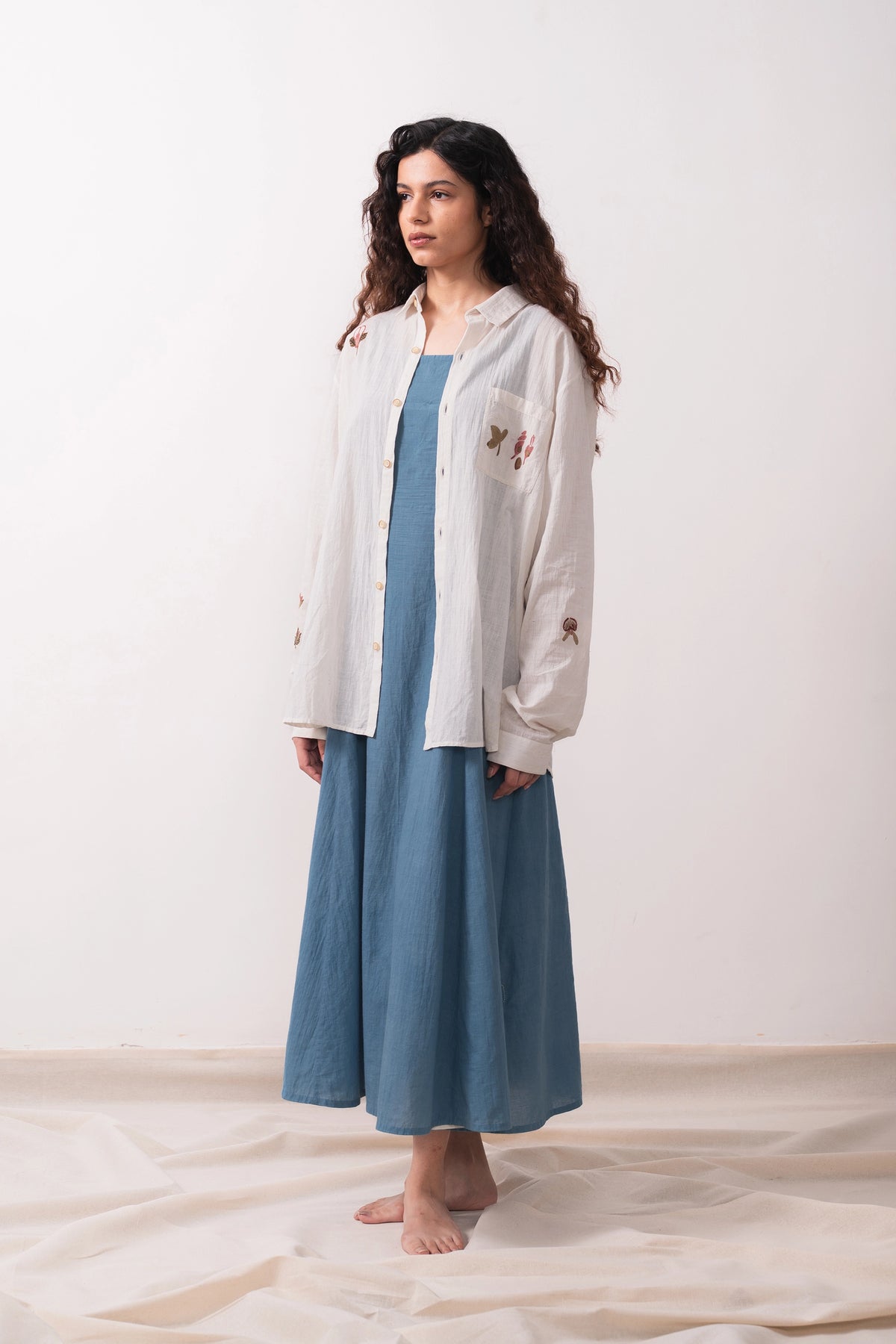
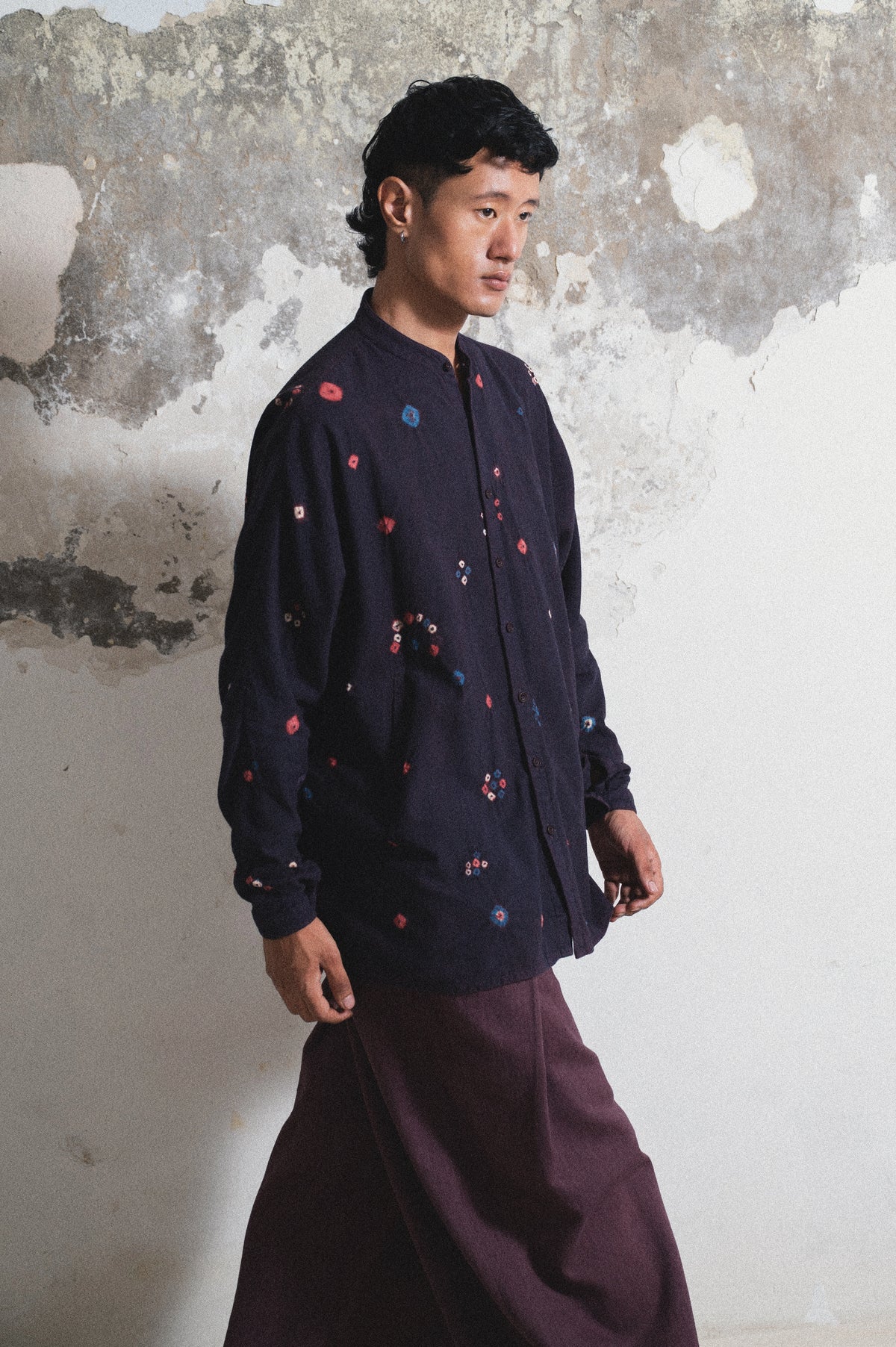
 Abhay wearing embroidery mul shirt in Pushkar, India. shot by: Pratik Khatri
In a land shaped by heat, monsoon, dust, and long summers, the intelligence of clothing was never about weight. It was about breathability, porosity, and ease. Mul emerged from this ecological understanding. It evolved not in laboratories, but through generations observing climate and body together.

A lady spinning yarns on a charkha in her verandah. Banipur, West Bengal. Shot by : Ashish
Today, there are only a handful of weavers who possess the skill to handle such delicate 200 count yarns. To weave handspun yarn in both warp and weft at this fineness is not just technique it is artistry. It creates a textile whose character cannot be replicated. Its irregularity, its lightness, its quiet strength nothing comes close.
At 11.11, this is a knowledge we choose to carry forward, and to share.
 Weaver working on his loom, Banipur, West Bengal. Shot by : Ashish
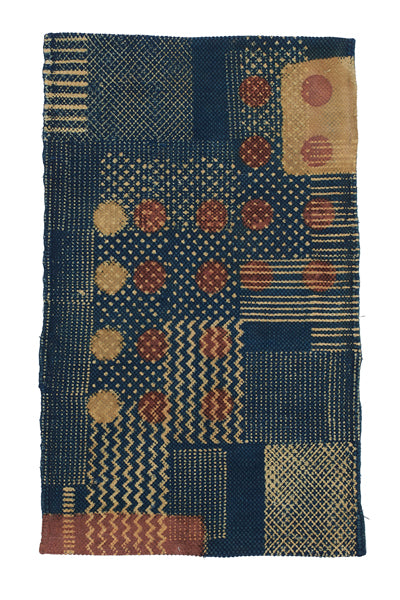
Our mul is dyed slowly using plant-based dyes, allowing colour to settle gently into the handspun fibre. Indigo, madder, pomegranate, iron — each behaves differently on a living yarn. The uneven absorption is not a flaw but a signature. No two surfaces become identical. The colour holds depth, not flatness.
In many ways, mul teaches patience.
It cannot be rushed in spinning. It cannot be hurried in weaving. Even wearing it alters one’s relationship with clothing. The fabric asks to be lived in, not consumed.
As Saiful Islam reflects, muslin is not simply a lost luxury, but a form of civilisational intelligence — shaped by river, soil, labour, and care.
That understanding feels urgent today.
Because the story of mul is not only about softness or fineness — it is about how cultures once made in rhythm with nature, rather than against it.

Also Read:-